Rome's Liquid Empire: From Ancient Aqueducts to Iconic Fountains
Trace the extraordinary journey of water through the Eternal City — from the engineering marvels of ancient aqueducts to the baroque splendor of fountains that still define Rome's piazzas today.
Close your eyes and listen. If Rome had a heartbeat, it would sound like rushing water. For over two millennia, Rome has been known as the Regina Aquarum — the Queen of the Waters. To understand the fountains we admire today, we must first look beneath the cobblestones, where the pulse of an ancient empire still beats through its aqueducts.
The Engineering of Eternity: Then and Now
In Ancient Rome, water wasn't just a resource; it was a declaration of civilization. Between 312 BC and 226 AD, eleven grand aqueducts were constructed, stretching hundreds of miles to bring over a billion liters of fresh water into the city daily.
Then: water was the ultimate social equalizer. It fed the massive public baths (thermae) — the shopping malls and social hubs of antiquity — powered mills, and brought hygiene to a million citizens, a feat unmatched until the modern era. To control water was to control life itself.
Now: while the Empire fell, the water never stopped flowing. Some of these ancient veins, like the Acqua Vergine (19 BC), are still active today, feeding the very fountains that define the city's skyline. Water has transitioned from a tool of hygiene to an instrument of pure art and sustainable life.
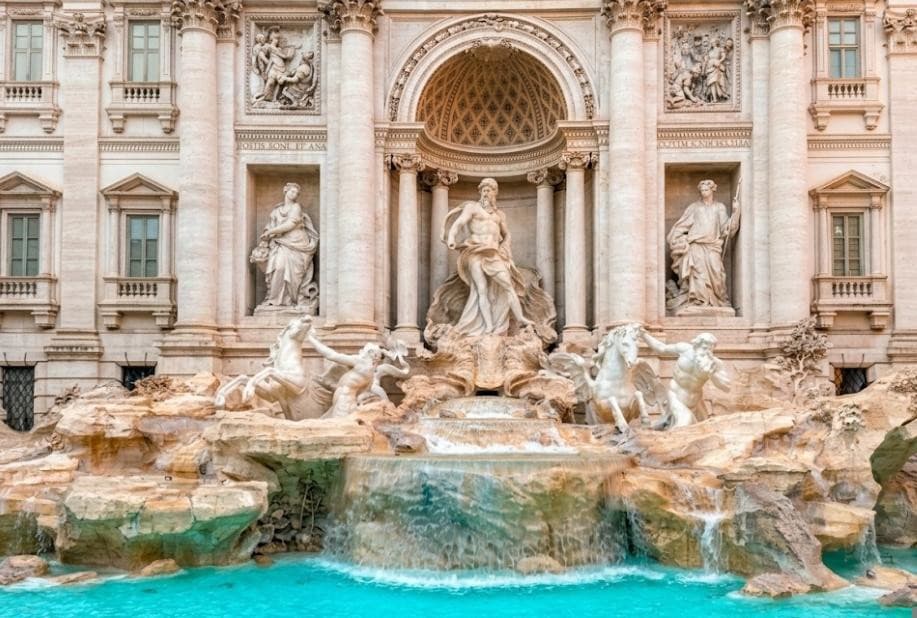
1. The Stage of Dreams: Fontana di Trevi
The Trevi Fountain is the grand finale of the Acqua Vergine aqueduct. A masterpiece of theatrical engineering where stone and water tell the story of the sea.
- Hidden anecdote: Look to the right for the 'Asso di Coppe' (Ace of Cups). The architect Nicola Salvi placed it there specifically to block the view of a barber who wouldn't stop complaining about the construction.
- The ritual: €1.5 million is tossed into the water every year — every cent is donated to Caritas to feed the city's vulnerable.
2. The Rivalry in Stone: Fontana dei Quattro Fiumi
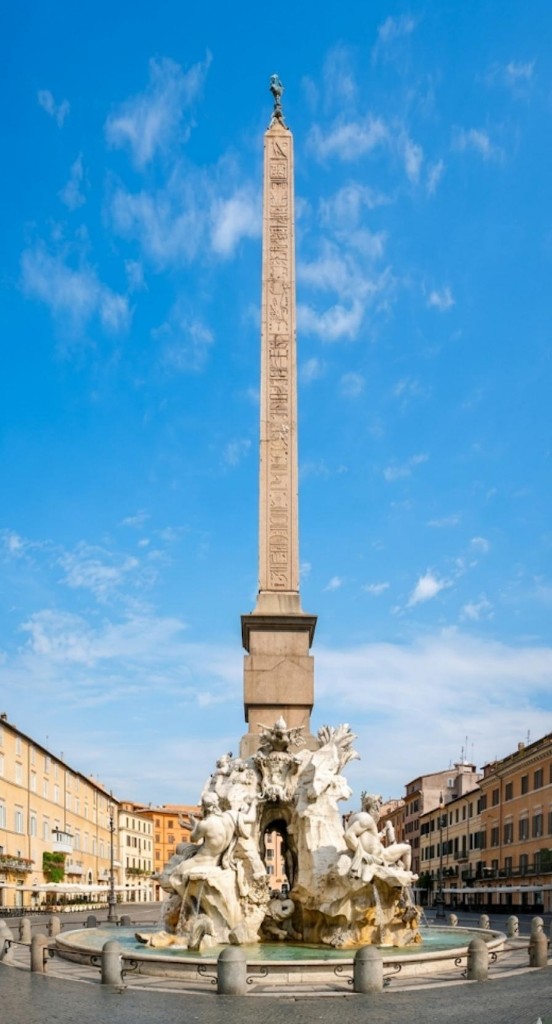
In Piazza Navona, Bernini turned an ancient stadium into a baroque stage. The fountain represents the four major rivers of the world: the Nile, Ganges, Danube, and Rio de la Plata.
- The myth: legend says the Nile statue covers its head to avoid looking at the church designed by Bernini's rival, Borromini. In reality, it symbolized that the river's source was then unknown.
3. Resilience in the Piazza: La Barcaccia
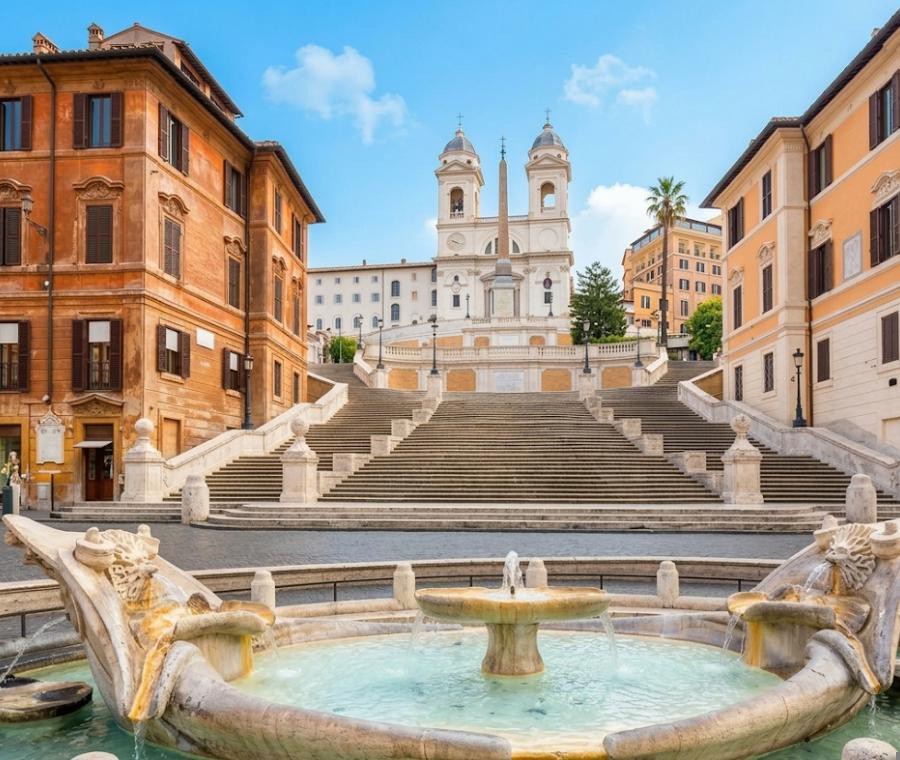
At the foot of the Spanish Steps sits a 'sinking boat.' In 1898, a massive flood left a barge stranded right there. Because the water pressure from the Acqua Vergine was too low for high jets, Pietro Bernini designed the fountain at ground level — turning a technical failure into a poetic landmark.
4. The Grand Beauty: Il Fontanone (Acqua Paola)
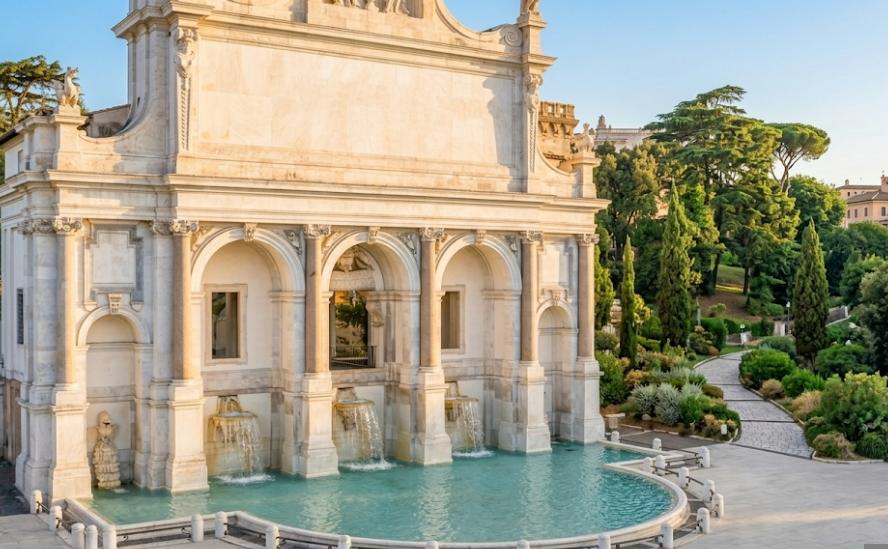
Perched on the Janiculum Hill, this fountain marks the end of the Acqua Paola aqueduct. It's so majestic it inspired the opening of the Oscar-winning film La Grande Bellezza.
- Insider tip: Romans call it 'The Big Fountain.' It's built with marble stripped from the ancient Temple of Minerva.
5. The Democratic Water: I Nasoni
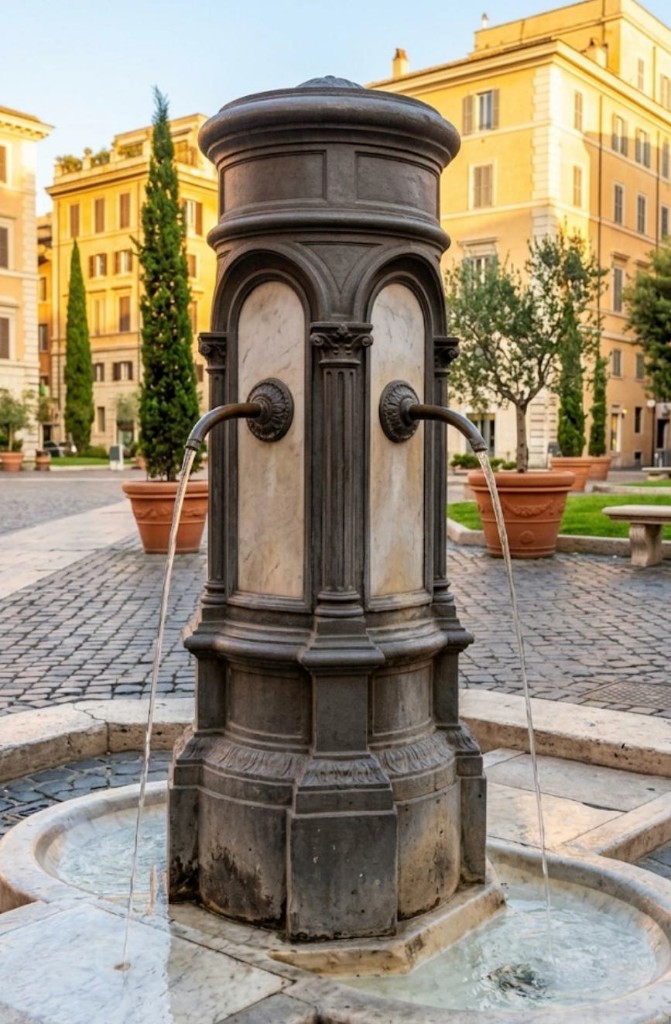
Rome's most important fountains are also its smallest. Since 1874, the Nasoni (Big Noses) have provided free, ice-cold water to everyone.
- Conscious travel tip: don't buy plastic. Rome has 2,500 Nasoni. Plug the bottom hole with your finger and the water squirts from the top — a perfect, ancient-tech drinking fountain.
- Download the 'Fontanelle' app to find the nearest ones to you.
The Eternal Flow
In Rome, water is the bridge between the Ancient Empire and the modern traveler. From the high-pressure engineering of the Caesars to the artistic genius of the Popes, the city's liquid soul remains unchanged.
Next time you drink from a Nasone or marvel at Trevi, remember: you are tasting 2,000 years of genius.