The Custodians of Beauty: 5 Extraordinary Museums to Visit in Rome
A journey beyond the monument facades: discover 5 unmissable museums in Rome, from Renaissance secrets and Baroque masterpieces to industrial archaeology.
Close your eyes and imagine. If Rome could speak, it would tell its story through sculpted marble, canvases pierced by light, and treasures buried for centuries. For over two millennia, the Eternal City has been an uninterrupted forge of art. But to understand the wonder we admire in its palaces today, we must step beyond the monument facades and enter the places where time has stood still: its museums.
The Evolution of Wonder: Then and Now
In Ancient Rome, art wasn't just decoration; it was propaganda, social status, and collective memory. Monumental complexes celebrated emperors and gods, making beauty accessible (or imposed) to the people.
- Then: sculptures and paintings were symbols of political power and religious devotion. Popes and noble families competed to secure the world's finest artists—from Michelangelo to Caravaggio—turning their private residences into exclusive, inaccessible galleries.
- Now: those very same private collections have become a universal heritage. Walking through the halls of Roman museums today isn't just about looking at paintings; it's a journey through time, where the ancient constantly dialogues with the present.
Here are the 5 unmissable museums that encapsulate the artistic soul of Rome.
1. The World’s First Museum: The Capitoline Museums
Piazza del Campidoglio
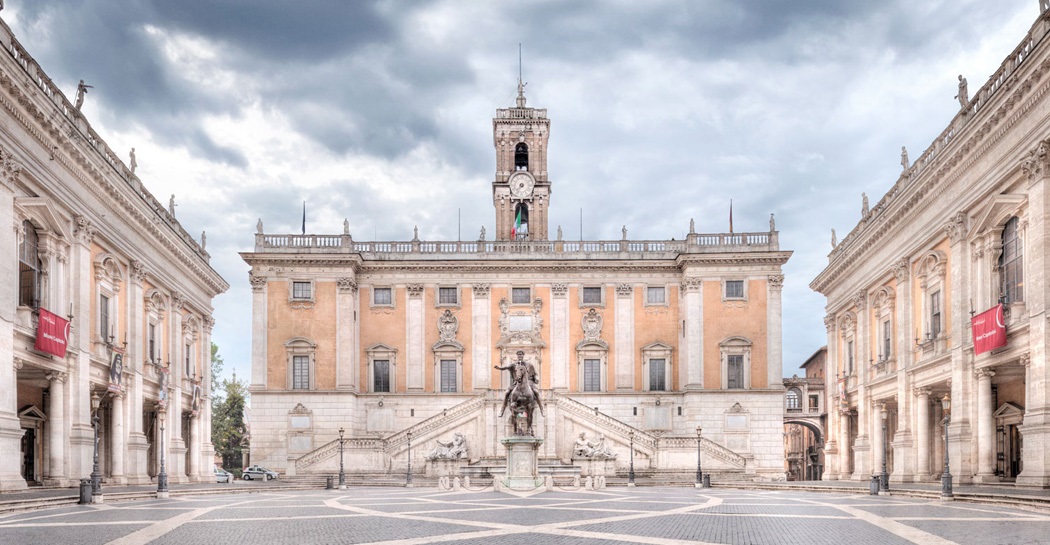
Established in 1471 thanks to a donation of bronze sculptures by Pope Sixtus IV, the Capitoline Museums are considered the oldest public museum in the world. Overlooking the splendid square designed by Michelangelo, they embody the very essence of Roman identity.
- The hidden anecdote: The famous Capitoline Wolf, the symbol of Rome, guards a technological secret. For centuries, it was believed to be an Etruscan work from the 5th century BC. However, recent carbon-14 analysis revealed that the wolf's bronze actually dates back to the Middle Ages (11th-12th century), while the twins Romulus and Remus were only added later during the Renaissance.
- The hidden anecdote: The famous Capitoline Wolf, the symbol of Rome, guards a technological secret. For centuries, it was believed to be an Etruscan work from the 5th century BC. However, recent carbon-14 analysis revealed that the wolf's bronze actually dates back to the Middle Ages (11th-12th century), while the twins Romulus and Remus were only added later during the Renaissance.
2. The Triumph of the Baroque: Borghese Gallery
Villa Borghese
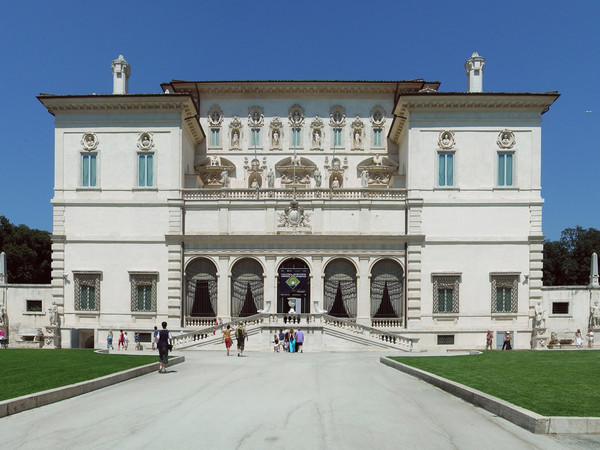
Nestled in the heart of Rome's most famous park, this gallery is a treasure trove of absolute masterpieces. It was born from the private collection of Cardinal Scipione Borghese, one of the most ruthless and brilliant art collectors in history.
- The myth of marble: When you look at Gian Lorenzo Bernini's The Rape of Proserpina, forget that you are looking at stone. Observe Pluto's fingers pressing into Proserpina's thigh: under Bernini's hands, the marble literally transforms into taut, soft flesh.
- Insider tip: Entry is strictly limited and requires a mandatory reservation. This allows you to enjoy the masterpieces of Caravaggio, Canova, and Titian without the overwhelming crowds of larger museums.
3. The Treasure of the Popes: The Vatican Museums (and the Sistine Chapel)
Vatican City
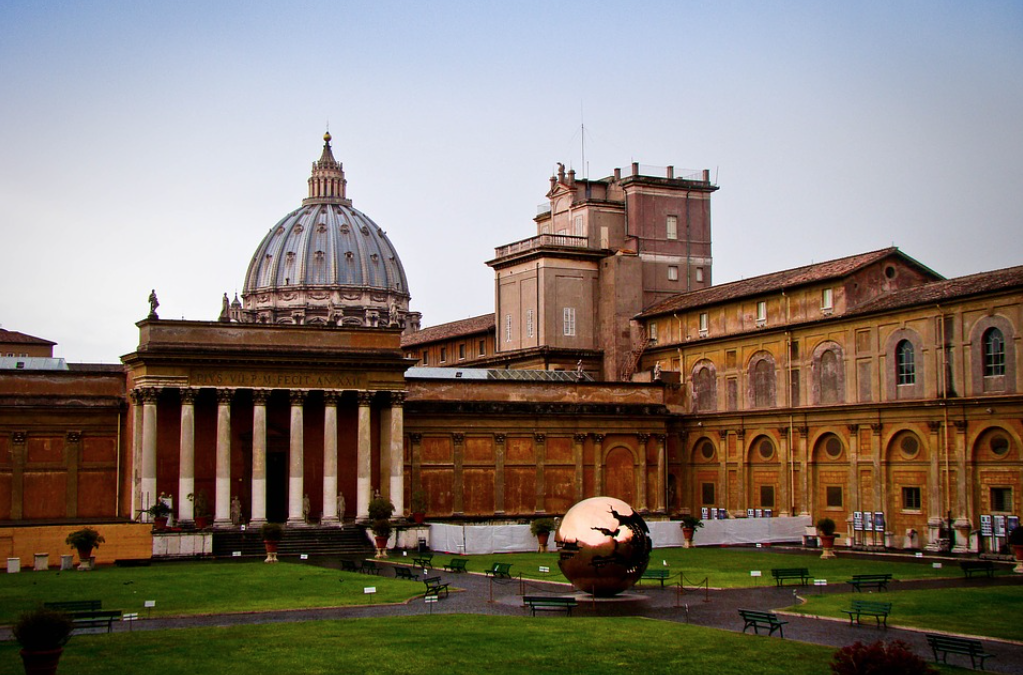
A 4-mile (7-kilometer) labyrinth of galleries housing one of the largest and most extraordinary art collections on the planet, culminating in Michelangelo's absolute masterpiece.
- The hidden detail: In Raphael's The School of Athens, the philosopher Heraclitus bears the face of Michelangelo. Raphael added him at the very last moment after secretly spying on his rival's work in the nearby Sistine Chapel. He was so struck by Michelangelo's genius that he decided to pay him homage right there on the wall.
- Conscious travel ritual: Avoid the legendary lines by booking your ticket online for the first morning slot. And when you step inside the Sistine Chapel, respect the silence: the perfect acoustics mean that even a whisper amplifies, breaking the magic of the room.
4. Where Antiquity Meets Industry: Centrale Montemartini
Via Ostiense
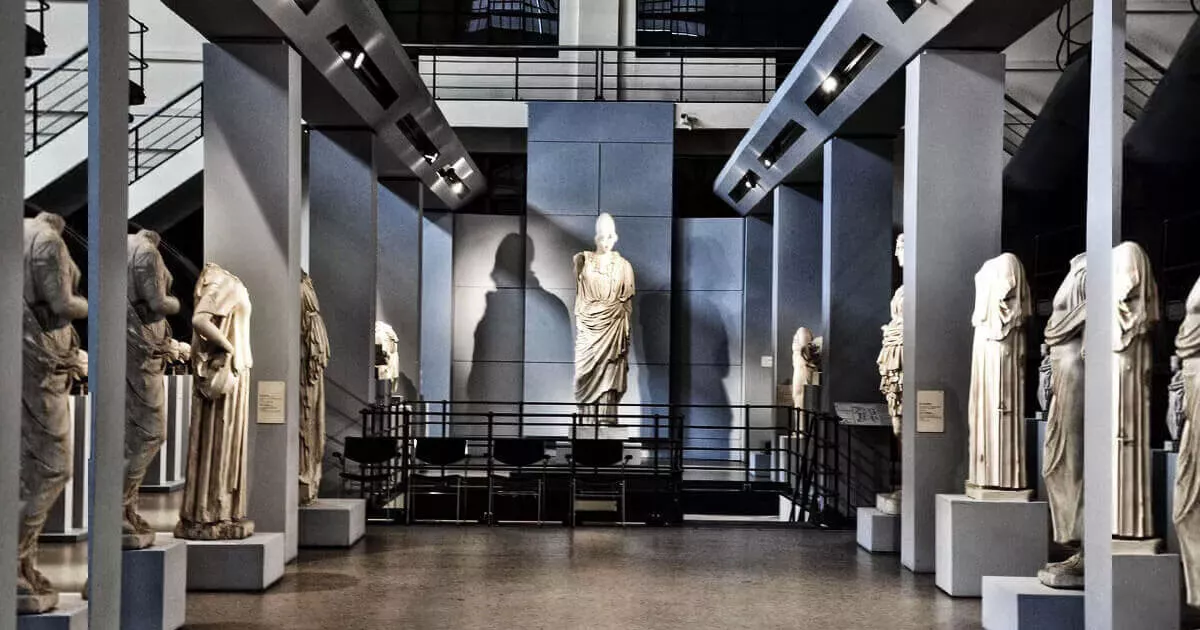
What happens when you merge classical Roman statuary with industrial archaeology? The answer is Centrale Montemartini, the second exhibition space of the Capitoline Museums, set inside Rome's very first public electricity plant.
- The visual contrast: This is one of the most photographic and original museums in the city. The pristine white marble of gods and emperors stands out starkly against the dark backdrop of massive diesel engines, steam turbines, and early 20th-century boilers.
- Fun fact: This extraordinary arrangement was originally meant to be "temporary" in 1997. However, the success and sheer beauty of this visual short-circuit were so overwhelming that it became a permanent museum.
5. Art of the Present: MAXXI (National Museum of 21st Century Arts)
Flaminio District
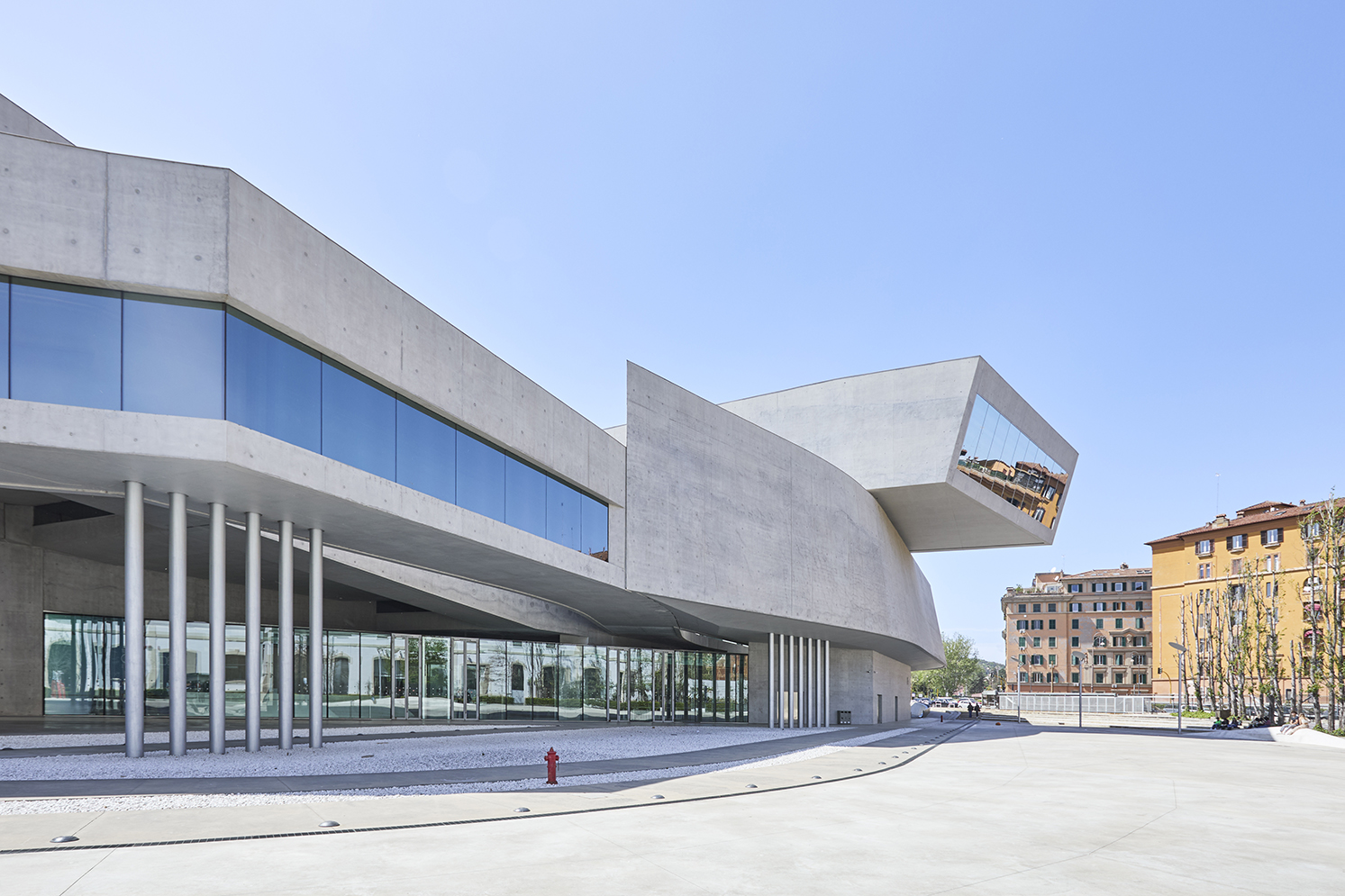
Rome is not just about the past. MAXXI is proof that the Eternal City still knows how to dialogue with the future. Designed by the celebrated and prematurely missed starchitect Zaha Hadid, the building itself is a work of contemporary art.
- Rome is not just about the past. MAXXI is proof that the Eternal City still knows how to dialogue with the future. Designed by the celebrated and prematurely missed starchitect Zaha Hadid, the building itself is a work of contemporary art.
- Travel tip: The Flaminio neighborhood, where the museum is located, is perfect for discovering a modern, dynamic Rome far from the mass tourist flows. Take advantage of it for a post-museum stroll to the nearby Ponte della Musica (Music Bridge).
The Eternal Return of Beauty
In Rome, museums are not cemeteries for artwork; they are living spaces where human genius continues to breathe. From the time-worn marbles of the Capitoline to the futuristic lines of MAXXI, the city keeps doing what it has done best for two thousand years: enchanting the world.
The next time you cross the threshold of one of these places, remember: you aren't just looking at history, you are walking right through it.